
Spring Cleanup Checklist for Hudson Valley Homeowners
By Bernicker & Son Landscaping Team · March 10, 2026
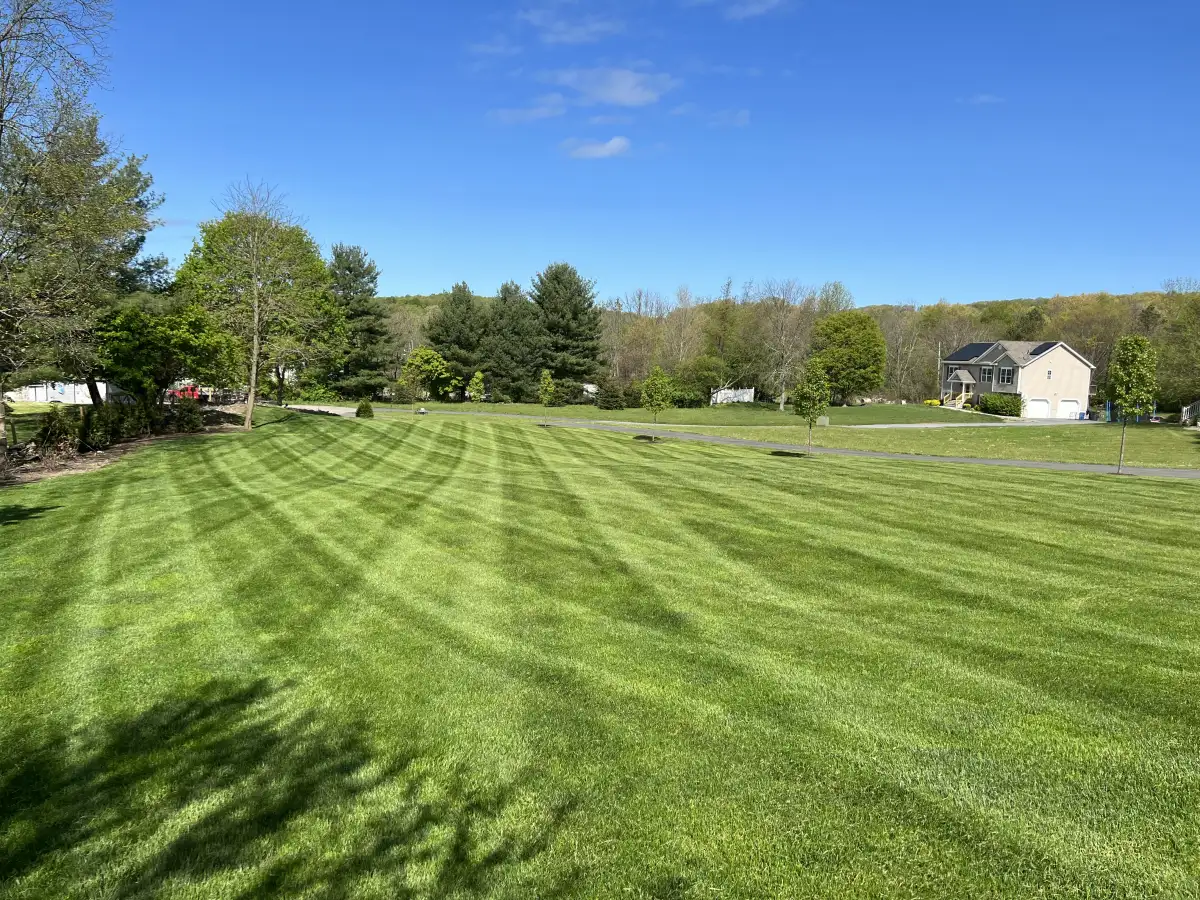
Spring cleanup in the Hudson Valley typically starts in late March to mid-April, once the ground thaws and temperatures stay consistently above 40 degrees Fahrenheit. Getting the timing right matters: starting too early risks damaging soil that is still frozen or saturated, while waiting too long lets debris smother new growth and creates more work later.
This checklist covers everything you need to do to get your property ready for the growing season, organized in the order each task should be completed.
When to Start: Reading the Signs
In the Newburgh and Orange County area, the ground usually thaws enough to begin spring work by late March, but the exact timing varies year to year. Here are the signals to watch for:
- Ground temperature above 40 degrees. When daytime temperatures consistently reach the mid-40s and the ground is no longer frozen, it is safe to begin raking and debris removal.
- Soil is firm but not muddy. Walking on waterlogged soil compacts it, which damages grass roots and creates drainage problems. Wait until you can walk across the lawn without leaving deep footprints.
- Snow has fully melted. Do not start cleanup while snow patches remain. Buried debris needs to be visible before you can clear it effectively.
- Forsythia begins to bloom. This is a reliable natural indicator in the Hudson Valley. When forsythia flowers open (typically early to mid-April), soil temperatures are warm enough for most spring lawn care activities.
Phase 1: Debris Removal and Initial Cleanup
Start with the biggest tasks first. Remove everything that has accumulated over the winter before addressing the lawn and beds.
- Remove fallen branches and sticks. Winter storms in the Hudson Valley frequently bring down branches. Walk the entire property and collect debris before mowing or raking.
- Clear remaining leaves. Even properties that had a fall cleanup will have leaves that blew in over the winter. Matted leaves smother grass and create dead patches if left in place.
- Clean out gutters and downspouts. Clogged gutters cause water to overflow against the foundation. Clear them early so spring rains drain properly. If you notice drainage issues, our drainage solutions can help address the root cause.
- Pick up sand and salt residue. Driveways and walkways accumulate road salt and sand over the winter. Sweep or rinse these areas to prevent salt damage to adjacent lawn areas and planting beds.
Phase 2: Lawn Preparation
Once debris is cleared, focus on getting the lawn ready for its first mowing and the growing season ahead.
- Dethatch if needed. If your lawn has more than half an inch of thatch (the spongy layer of dead grass between the soil and living blades), dethatch with a power rake. Excessive thatch blocks water, air, and nutrients from reaching the roots.
- Rake thoroughly. Even without heavy thatch, a spring raking lifts matted grass blades, removes fine debris, and promotes air circulation. Use a flexible leaf rake, not a rigid garden rake, to avoid tearing grass roots.
- Assess for bare spots. Mark areas where grass did not survive the winter. These will need overseeding or patching. Common causes include ice damage, heavy foot traffic, or salt runoff from walkways.
- First mowing. Set your mower blade to 2.5 to 3 inches for the first cut. Do not remove more than one-third of the blade height at once. Cutting too short stresses the grass as it comes out of dormancy.
- Overseed bare patches. Apply grass seed to thin or bare areas. In the Hudson Valley, a mix of Kentucky bluegrass and perennial ryegrass works well for most sun exposure conditions. Keep newly seeded areas moist until germination.
Phase 3: Planting Bed Maintenance
Planting beds need attention before new growth makes access difficult and before weeds get established.
- Clear old mulch and debris. Remove matted leaves, dead plant material, and any weeds that have started growing. Pull weeds by the root before they have a chance to spread.
- Edge bed borders. Re-cut the edges between lawn and planting beds to create clean, defined lines. This prevents grass from creeping into beds and gives the property a well-maintained appearance.
- Divide and transplant perennials. Early spring is the ideal time to divide overgrown hostas, daylilies, and ornamental grasses. Dividing keeps plants healthy and fills in sparse areas of the bed.
- Apply fresh mulch. Add 2 to 3 inches of fresh mulch to all planting beds. Mulch suppresses weeds, retains soil moisture, regulates soil temperature, and gives beds a clean, finished look. Keep mulch 2 to 3 inches away from tree trunks and plant stems to prevent rot.
- Apply pre-emergent weed control. For beds with recurring weed problems, a pre-emergent herbicide applied in early spring prevents weed seeds from germinating. Time this application before soil temperatures reach 55 degrees consistently.
Phase 4: Pruning and Plant Care
Pruning timing matters. Cutting at the wrong time can remove flower buds or stress the plant. Here is a pruning guide for common Hudson Valley plants:
- Prune now (early spring): Summer-blooming shrubs (butterfly bush, hydrangea paniculata, Rose of Sharon), ornamental grasses (cut back to 4 to 6 inches), and dead or damaged branches on any tree or shrub.
- Wait until after bloom: Spring-flowering shrubs (forsythia, lilac, azalea, rhododendron) bloom on last year's growth. Pruning before they flower removes the buds. Prune these immediately after they finish blooming.
- Do not prune now: Major tree limbs (hire a certified arborist for large tree work), spring bulbs (let foliage die back naturally to feed the bulb), and evergreens (wait until new growth appears in late spring).
Phase 5: Hardscape and Property Inspection
Winter freeze-thaw cycles are hard on hardscaping and structures. Inspect everything before the season gets busy.
- Check patios and walkways. Look for shifted pavers, cracked stones, or uneven surfaces caused by frost heave. Minor shifting can usually be reset. If your patio or walkway has significant damage, schedule a repair early before the spring rush.
- Inspect retaining walls. Look for leaning, bulging, or cracked blocks. Water that froze behind the wall over winter can push sections out of alignment. Small issues caught early are much easier and less expensive to fix.
- Check drainage. Walk your property during or immediately after a rain. Note where water pools, where it flows, and whether it is moving away from your foundation. Standing water near the house is a problem worth addressing before it causes damage. Our drainage services can resolve these issues.
- Test outdoor faucets and irrigation. Turn on outdoor spigots and check for leaks caused by frozen pipes. If you have an irrigation system, schedule a spring startup and leak check.
When to Call a Professional
Some spring tasks are well-suited for DIY, while others are more efficient and effective with a professional crew. Consider hiring a professional for:
- Large properties. If your property is larger than a quarter acre, professional cleanup saves significant time and produces more thorough results.
- Heavy debris. Properties with extensive tree coverage accumulate substantial debris over winter. A crew with commercial equipment handles this in hours instead of days.
- Hardscape repairs. Resetting shifted pavers, repairing retaining walls, and fixing drainage issues require tools and expertise most homeowners do not have.
- Seasonal maintenance plans. If you want consistent, professional care throughout the growing season, a seasonal maintenance plan covers spring cleanup, weekly mowing, and fall cleanup in one package.
If you need help getting your Newburgh, Orange County, or Hudson Valley property ready for spring, Bernicker & Son Landscaping handles everything from basic cleanups to comprehensive seasonal maintenance. Request your free estimate or call (845) 754-1009 to get on the schedule before spring fills up.