
By Bernicker & Son Landscaping Team ·
Newburgh homeowners often start looking for landscaping help when the yard feels harder to maintain than it should. The lawn may thin out near shaded areas, mulch may wash toward the driveway, shrubs may block windows, or a low spot may stay wet after every storm. Those details matter because a lasting landscaping plan has to fit the property before new plants, sod, or mulch go in.
Bernicker & Son Landscaping is based in Newburgh and serves Orange County and nearby Hudson Valley communities with landscaping, landscape design, lawn care, drainage solutions, hardscaping, and seasonal property care. Before you book an estimate, it helps to know which problems should be handled first and which services belong together.
Which yard problem should come first?
Start with the condition that can damage or undo the rest of the work. A wet lawn should be reviewed for drainage before sod or hydroseeding. A front bed packed with old roots may need removal, soil preparation, and a cleaner layout before new shrubs are planted. A yard that will eventually include a patio, walkway, or retaining wall should be planned so the first phase does not block future access.
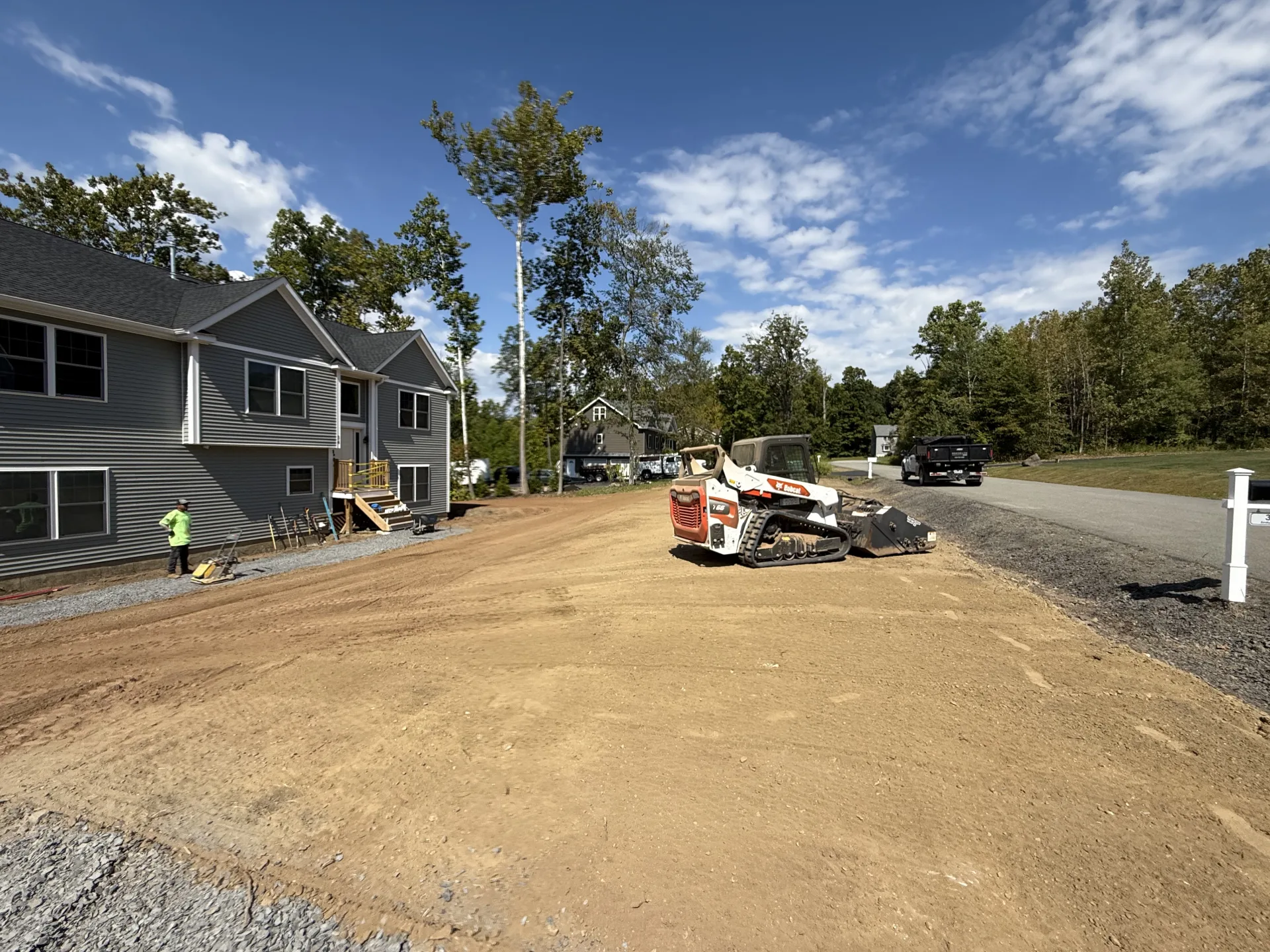
For many Newburgh homes, the first step is a mix of cleanup and correction: remove overgrown material, reshape beds, improve the planting zone, correct low spots, and decide where lawn repair belongs. That approach keeps the finished yard easier to maintain instead of covering the same old problem with fresh mulch.
Why does Newburgh soil matter?
Clay-heavy soil is common around Newburgh and Orange County. It can hold water after storms, compact around roots, and dry hard during hot stretches. That affects lawns, shrubs, perennials, and new planting beds. If the soil is not prepared correctly, new plants can struggle even when they are healthy at installation.
Soil preparation may include removing debris and roots, adding appropriate topsoil, reshaping the grade, aerating a lawn, or choosing a turf approach that fits the site. Plant selection also matters. Native and climate-adapted species often perform better because they can handle Hudson Valley winters, summer heat, deer pressure, shade changes, and periods of wet soil.
When should drainage be part of the plan?
Drainage should be discussed any time water crosses the work area. Warning signs include mulch washing out, puddles that linger after rain, muddy lawn edges, ice forming on a walkway, wet soil near the house, or plants declining even with normal care. New landscaping can fail quickly if roof runoff, driveway flow, or an uphill yard keeps feeding water into the same spot.
Some yards need simple grading or bed reshaping. Others may need downspout extensions, a swale, dry well, or french drain installation. Photos taken after rain are helpful because they show where water actually travels. If drainage is already a concern, learn about our drainage solutions and note where the water starts, travels, and collects.
Is this design work, lawn care, or installation?
Landscape design is the right starting point when the layout needs to change. That can include bed shape, plant placement, privacy screening, new lawn areas, grading, drainage coordination, walkways, and future outdoor living features. Lawn care is different. It keeps an existing property neat through mowing, trimming, cleanup, pruning, and seasonal maintenance.
If your yard has good structure but looks tired, a cleanup, mulch refresh, pruning, or lawn maintenance plan may be enough. If the yard lacks defined beds, drains poorly, has failing turf, or needs a different front entrance, start with landscape design and installation planning.
What should I share before an estimate?
Share the property location, the main problem, the area you want improved, your ideal timing, and any site constraints. Wide photos from the street, house, driveway, and side yard are more useful than closeups alone. Mention gates, pets, steep driveways, parking limits, septic areas, irrigation, or places where equipment cannot travel.
If you are considering phases, say that early. A homeowner might start with drainage and grading, then add plantings, sod, or a walkway later. Phasing works best when the final direction is discussed up front, even if the work is completed over time.
How do nearby Hudson Valley properties differ?
A Newburgh property near Balmville can have different shade, slope, and access than a yard closer to the Route 300 corridor. Nearby communities also bring different conditions. Cornwall-on-Hudson landscaping often involves hillside yards, wooded edges, rock, and runoff. New Windsor properties may include suburban lawns, commercial sites, and HOA maintenance needs.
Bernicker & Son reviews the actual property before recommending the sequence. That is especially important when landscaping connects to hardscaping, patio installation, retaining walls, drainage, or future snow service access.
Ready to compare the right services?
Bernicker & Son can help with planting, beds, sod, hydroseeding, and yard installation, along with drainage solutions and ongoing lawn care for properties throughout Newburgh.
When you are ready for a property-specific answer, request an estimate online or call (845) 754-1009. Include your location, photos, timing, and the main issue you want solved first.
FAQ: Newburgh landscaping before booking
What is the first thing to check before booking landscaping?
Check whether the issue is cosmetic, structural, or water-related. Cosmetic work may be mulch, edging, and planting. Structural issues involve grade, drainage, lawn failure, overgrown shrubs, access, or future hardscape plans.
Can Bernicker & Son handle landscaping and drainage together?
Yes. Landscaping and drainage are often connected in Newburgh yards. The team can review whether water management, grading, bed shaping, or a dedicated drainage solution should happen before plants or sod are installed.
Is spring the only good time to landscape?
No. Spring is busy for cleanup, planting, sod, and mulch, but late summer and fall can also be strong for lawn repair and planting because the weather is cooler. Larger grading, drainage, and hardscape-related planning should start earlier.
Can I phase the work?
Yes. Many homeowners start with cleanup, drainage, or grading, then add beds, sod, plantings, patios, or maintenance later. The key is planning the first phase so it does not block or disturb the final layout.
What is the fastest way to get a local answer?
Call (845) 754-1009 or submit the free estimate form. Include your location, photos, project goals, timing, and any drainage, slope, or access concerns.