
French Drain Installation in Newburgh & the Hudson Valley
Drainage systems planned around soil, slope, discharge, and the source of the water, not just the wet spot.
Find the Source Before Digging
A french drain can solve persistent yard water, but only when it is placed where water actually moves. Hudson Valley properties often combine clay soil, compacted lawns, roof runoff, steep transitions, and low collection points. Bernicker & Son starts by looking at where water enters the problem area, how long it sits after rain, and where it can discharge safely without creating a new issue for a neighbor, driveway, patio, or base.
The right solution might be a french drain, a curtain drain, a downspout extension, surface grading, a dry well, or a combination of drainage improvements. We separate symptoms from causes so the estimate addresses the real problem. That planning helps protect lawns, plantings, hardscapes, and structures through spring rains and winter freeze-thaw cycles.
- Assessment of roof runoff, slopes, soil, and low spots
- Drain layout based on water source and discharge path
- Options for lawns, structures, patios, and driveways
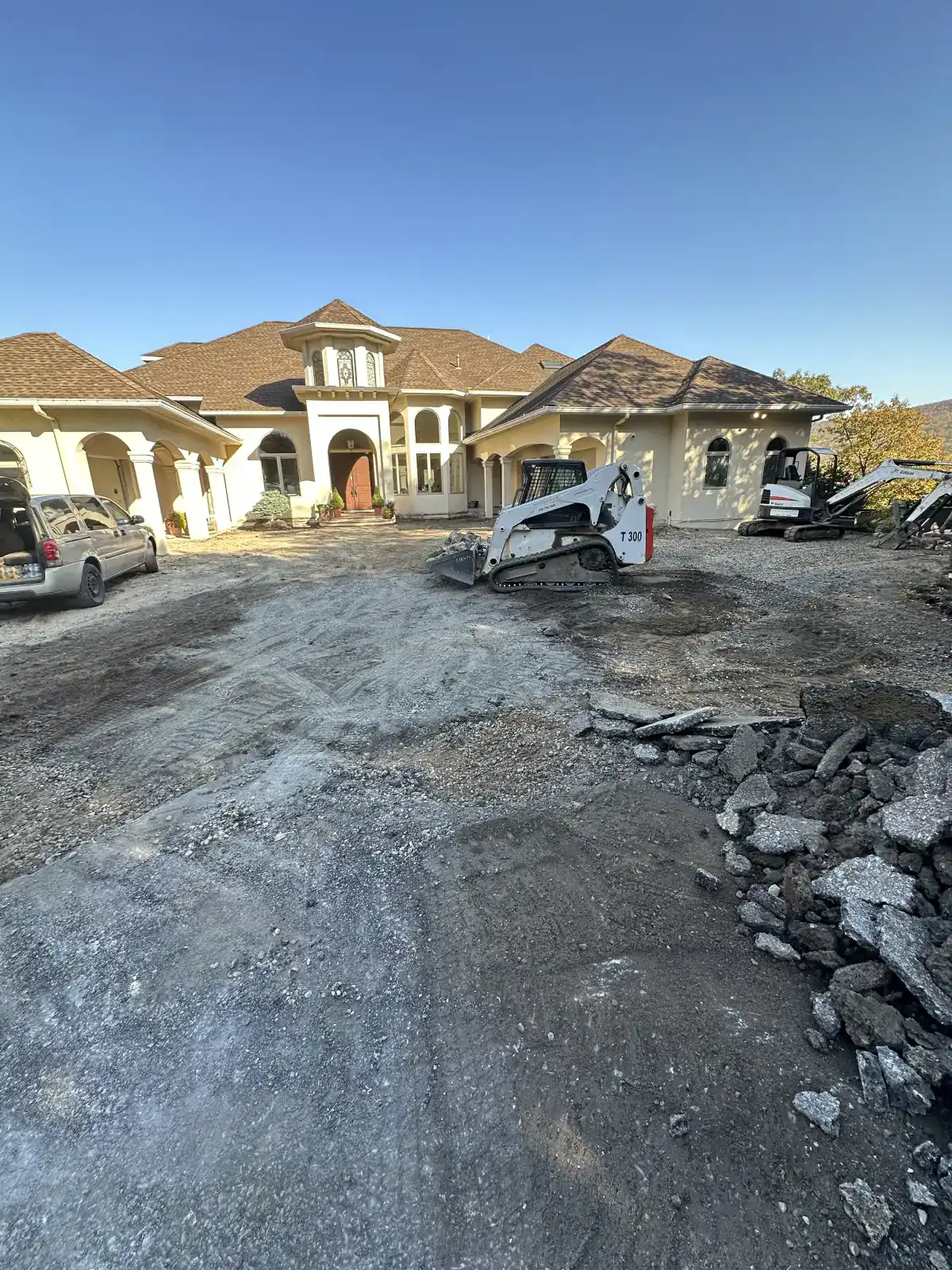
Clean Trenches, Correct Slope, Reliable Materials
Professional french drain installation depends on excavation depth, trench width, pipe selection, gravel, filter fabric, slope, and a discharge point that can handle the water. If any part is skipped, the system can clog, hold water, or fail to move water away from the problem area. Our crew installs drainage with serviceability and long-term flow in mind.
We also plan the finish. Some drains are restored with topsoil and seed, others connect into landscape beds or hardscape edges. When a drain crosses a lawn, we minimize unnecessary disturbance and clean up the work area. For drainage around patios or retaining walls, we coordinate the system with the hardscape base and backfill so water is managed before it causes movement.
- Perforated pipe, clean stone, and filter fabric where appropriate
- Slope checked so water moves by gravity
- Surface restored after trenching and backfill
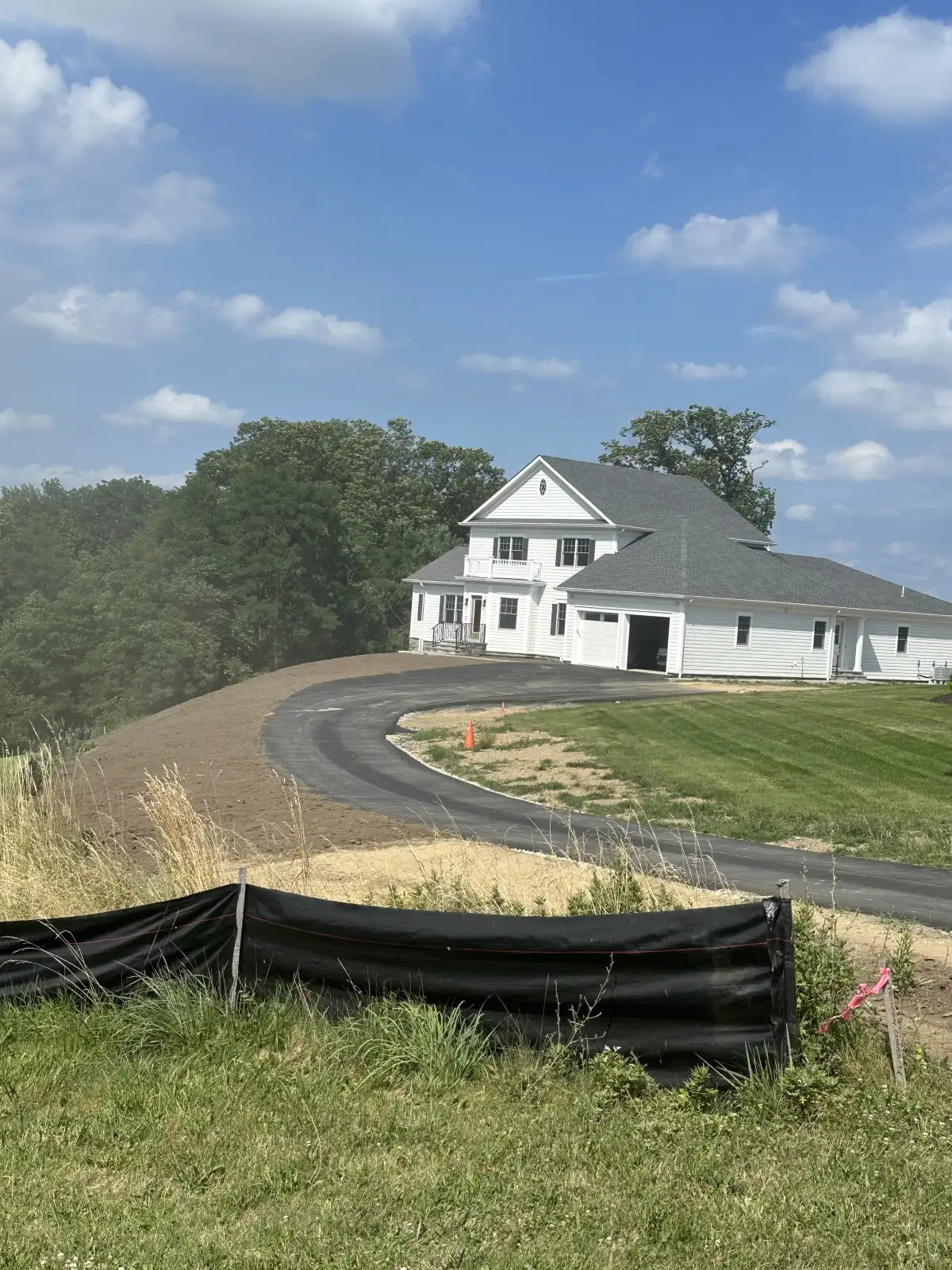
What Affects French Drain Cost
French drain cost depends on length, depth, access, soil conditions, utility conflicts, discharge requirements, and restoration. A short drain for a wet lawn area is different from a long base-side system or a drain that must route around patios, walls, or tight side yards. We explain those variables clearly so the proposal is understandable.
Bernicker & Son provides drainage estimates throughout Newburgh and nearby Orange County communities. The goal is not to sell the longest trench possible. The goal is to create a drainage plan that moves water away from the problem, protects the property, and makes sense for the way the yard is used.
- On-site drainage estimates and practical repair options
- Integration with grading, hardscaping, and lawn restoration
- Local experience with clay-heavy Hudson Valley soil
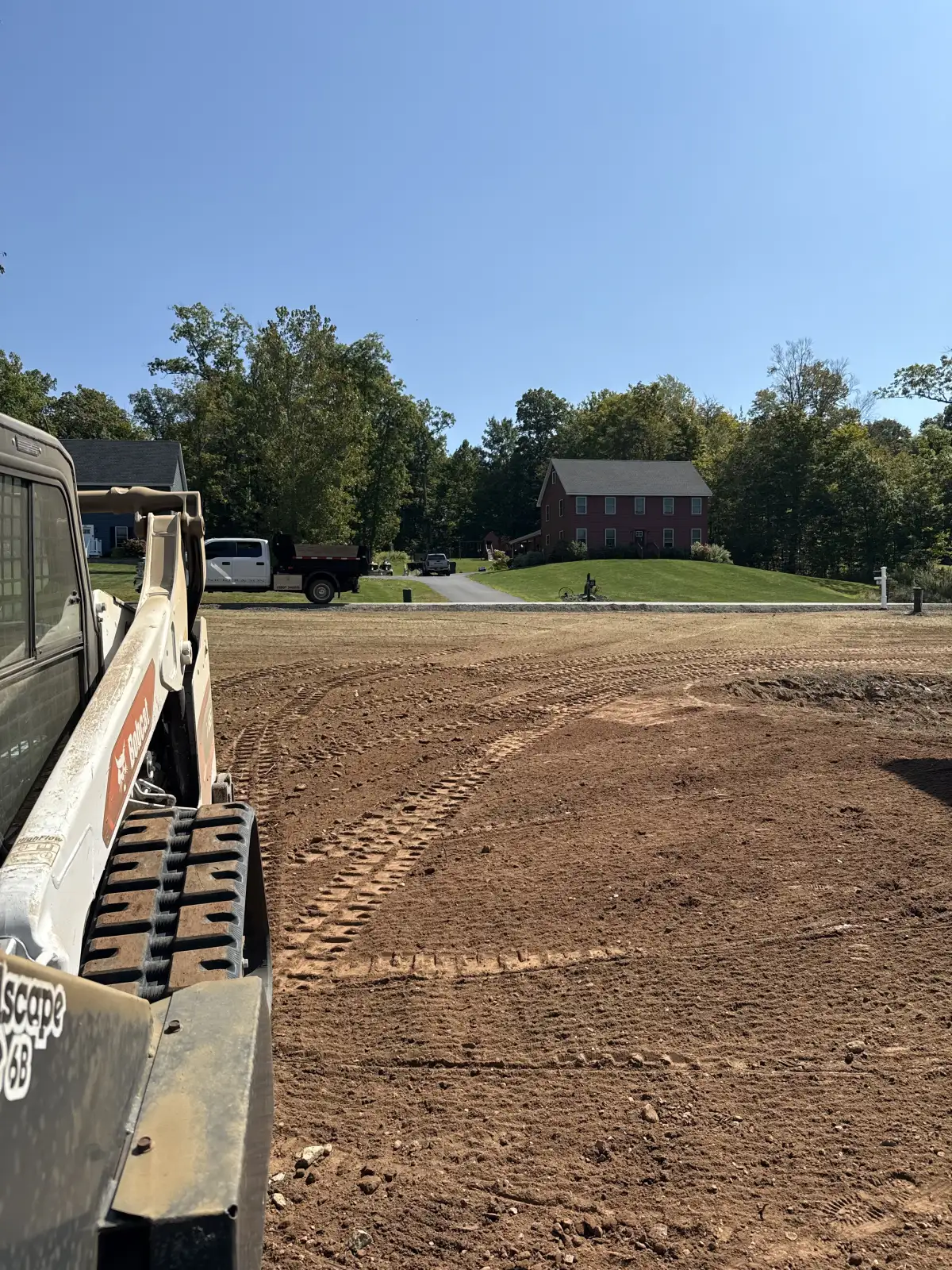
Start With Where the Water Comes From
A french drain works only when it intercepts the actual water path and sends that water to a suitable outlet. Before recommending a trench, Bernicker & Son looks at roof runoff, slopes, soil, low spots, nearby hardscapes, and where discharge can happen safely.
Some yards need a curtain drain, some need downspout extensions, and others need surface grading or a dry creek bed instead of a buried pipe. The estimate explains which option fits the property and why.
Because Hudson Valley soils can hold water after storms, we also consider how the system will perform during spring thaw and repeated heavy rain.
Pipe, Gravel, Fabric, and Outlet Details
Installation quality depends on trench depth, slope, clean stone, filter fabric, pipe selection, and a discharge point that can handle the collected water.
We explain those components during the proposal so homeowners know what is being installed below the surface.
Restoring Lawn and Bed Areas After Drain Work
Drainage trenches often cross active lawns, planting beds, or patio edges. We plan access and restoration before digging so the solution does not leave a larger landscape problem behind.
Where the drain connects to downspouts or hardscape bases, we coordinate those transitions carefully to avoid undermining nearby surfaces.
The finished scope may include topsoil, seed, stone, or bed repair depending on the route and the customer's priorities.
Reducing Standing Water Without Moving Problems Elsewhere
A drainage system should protect the customer's yard without sending water toward a neighbor, driveway, foundation, or patio base. We look for a practical outlet and review any limitations before work begins.
Bernicker & Son also explains simple maintenance, such as keeping discharge areas open and watching for sediment at surface inlets.
That attention helps the system keep working after the first storm has passed.
French Drains Work Best When the Whole Water Path Is Understood
A wet spot in the lawn is usually the symptom, not the full problem. Water may be coming from roof runoff, a neighbor's higher grade, compacted clay soil, a driveway edge, a hillside seep, or a low point created by old grading. Bernicker & Son reviews where water enters the area, how quickly it collects, how long it remains after rain, and where it can be discharged without creating another problem.
The installation details matter. A french drain needs the right trench depth, slope, stone, pipe, fabric, and outlet. If the pipe is too flat, clogs with sediment, or ends in the wrong place, the yard can stay wet even after the trench is installed. We also look at nearby patios, walkways, foundations, bed edges, and lawn areas so the drain route protects the property instead of disrupting it unnecessarily.
Some properties need a broader drainage plan. A downspout extension may handle roof water before it reaches the lawn. Surface grading may move shallow water away from a foundation. A dry well may be appropriate where a clean outlet is limited. We explain those options during the estimate so customers can compare the right fix instead of paying for a drain that only treats part of the issue.
Questions to Ask Before Installing Drainage
Where will the water go?
A drain is only useful when it has a responsible outlet. We review discharge locations, slopes, and nearby structures before proposing a layout.
Will my lawn be repaired afterward?
The estimate should identify restoration needs such as topsoil, seed, stone, bed repair, or surface grading. We discuss those items before the trench is opened.
Can drainage be combined with other work?
Yes. Drainage often pairs with landscaping, patio repairs, grading, sod, and retaining wall work because water affects all of those surfaces.
Stop Guessing About Yard Water
Tell us where water collects and how long it stays so we can recommend a durable fix.
Request French Drain Pricing