
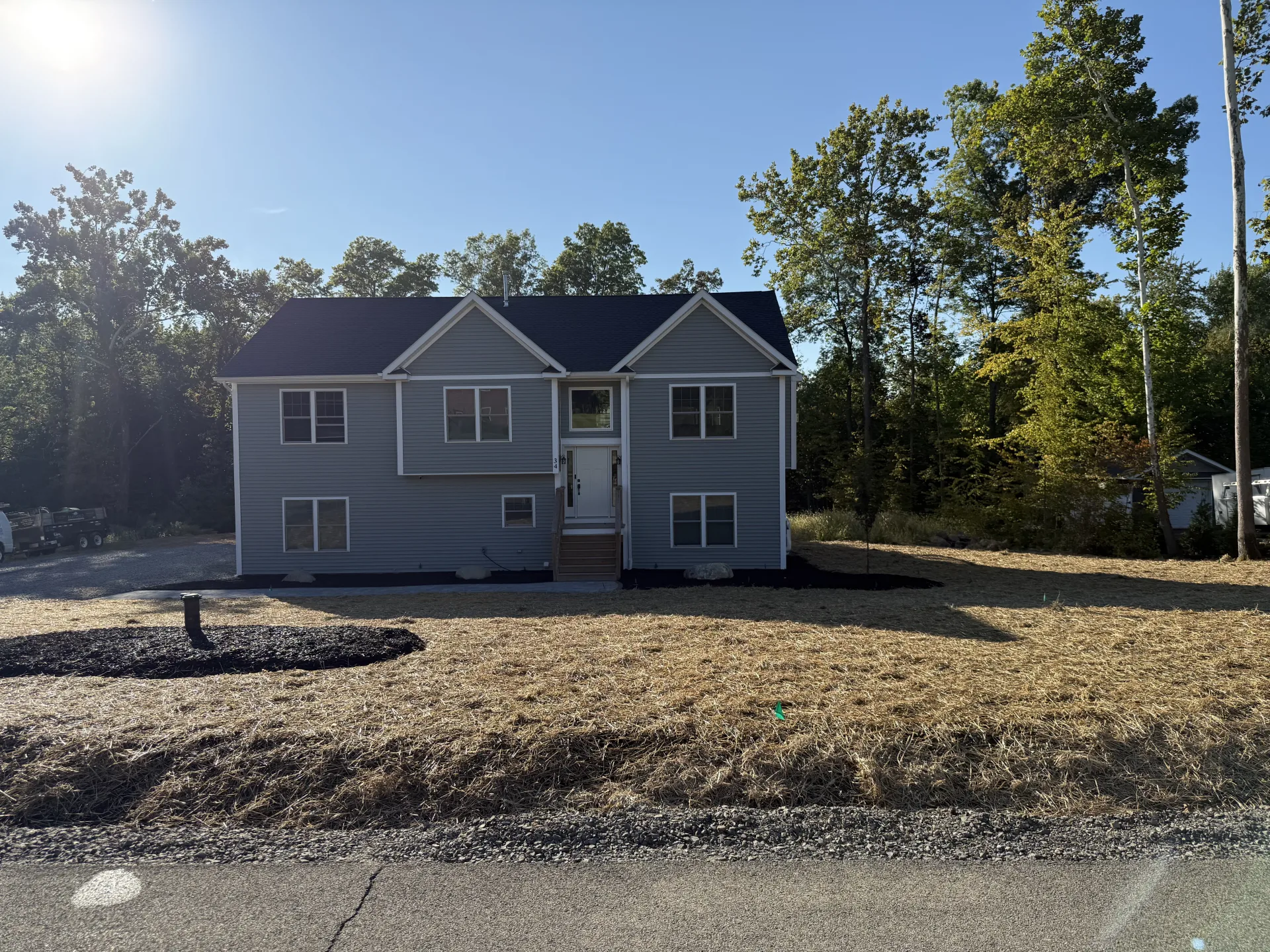
Hydroseeding in Newburgh NY & the Hudson Valley
Bernicker & Son Landscaping provides professional hydroseeding for new lawns, erosion control, and large-area seeding across Newburgh, Orange County, and the Hudson Valley. Hydroseeding costs 50% to 70% less than sod and delivers a thick, established lawn in 8 to 12 weeks.
What Is Hydroseeding?
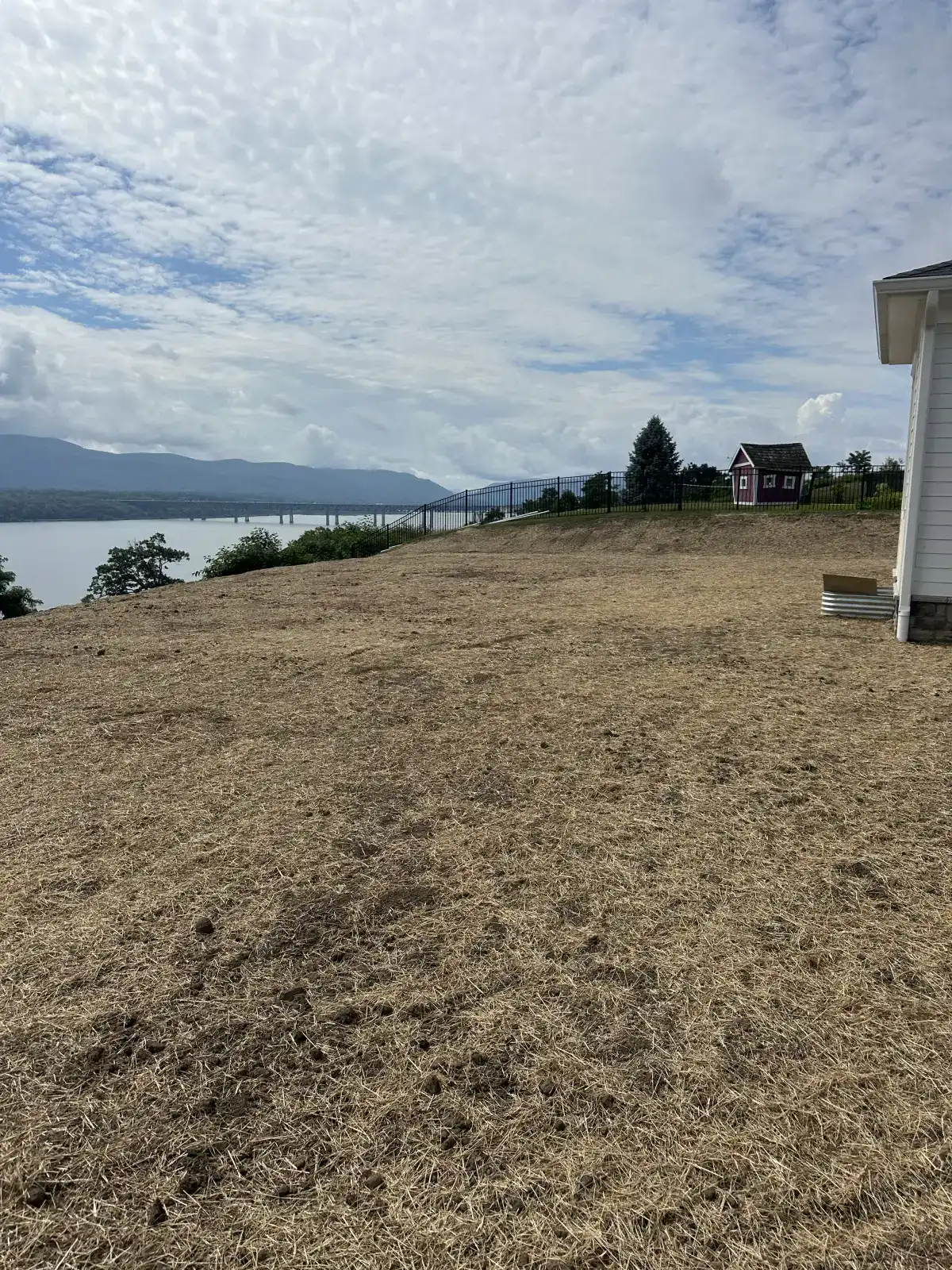
Hydroseeding is a process where a slurry of grass seed, water, fertilizer, tackifier, and wood fiber mulch is sprayed onto prepared soil using a specialized tank and hose system. The mulch holds the seed in place, retains moisture during germination, and protects against erosion from rain and wind. It is the same method used by highway departments and developers to establish grass on large, difficult sites.
For residential and commercial properties in the Hudson Valley, hydroseeding is the most cost-effective way to establish a new lawn on areas larger than 5,000 square feet. The seed mix is customized for the site, using the same premium turf-type tall fescue and Kentucky bluegrass blends that we use in our lawn care programs. The result is a lawn that looks and performs just as well as a seeded or sodded lawn once it matures.
- Seed, fertilizer, mulch, and tackifier in one application
- 50-70% less expensive than sod installation
- Custom seed blends for Hudson Valley conditions
When Hydroseeding Is the Right Choice
Hydroseeding is the best option for large lawn areas on new construction sites, regraded properties, and acreage lots where sod would be prohibitively expensive. It is also the preferred method for erosion control on slopes, berms, and embankments because the tackifier holds the seed and mulch in place on grades where loose seed would wash away.
We frequently hydroseed properties in Newburgh, Walden, Washingtonville, and Rock Tavern after new home construction, septic system installations, or major grading projects. The application covers the entire disturbed area in a fraction of the time it would take to lay sod, and the cost savings on a half-acre lot can reach $5,000 to $10,000 compared to sod. For smaller lawns under 5,000 square feet, sod installation often makes more sense because the instant result offsets the higher cost.
- New construction and post-grading restoration
- Erosion control on slopes and embankments
- Large properties where sod cost is prohibitive
Hydroseeding Growth Timeline
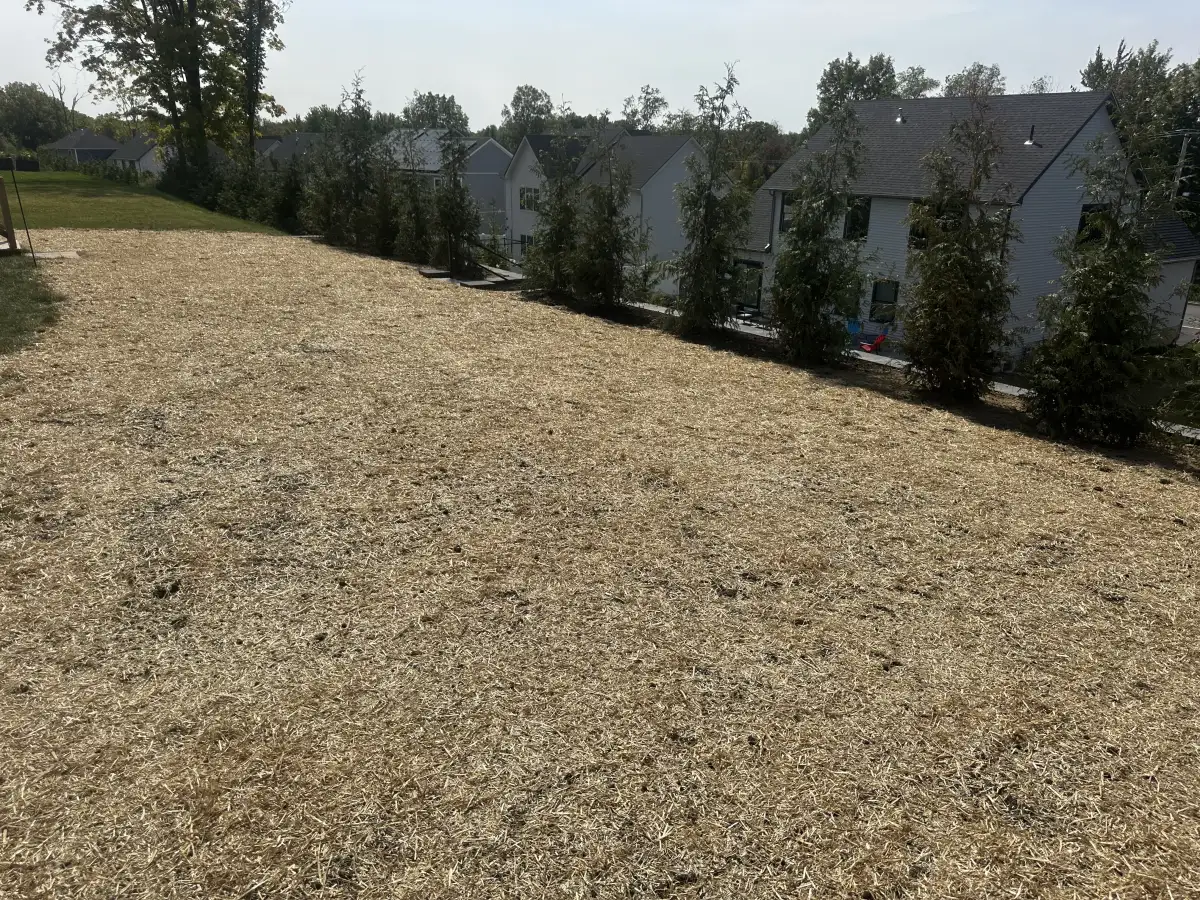
Days 1-5: The hydroseed mulch layer retains moisture and you may see a green tint from the dyed mulch. Keep the area consistently moist with light watering 2 to 3 times daily.
Days 5-14: Germination begins. Tiny grass shoots emerge through the mulch layer. Continue light, frequent watering. Avoid walking on the area or letting pets onto it.
Weeks 3-4: Grass reaches 2 to 3 inches. The mulch is mostly broken down. Switch from frequent light watering to less frequent, deeper watering to encourage root growth.
Weeks 4-6: First mowing when grass reaches 3.5 to 4 inches. Set mower to 3 inches. The lawn looks thin but is filling in rapidly. Continue watering during dry spells.
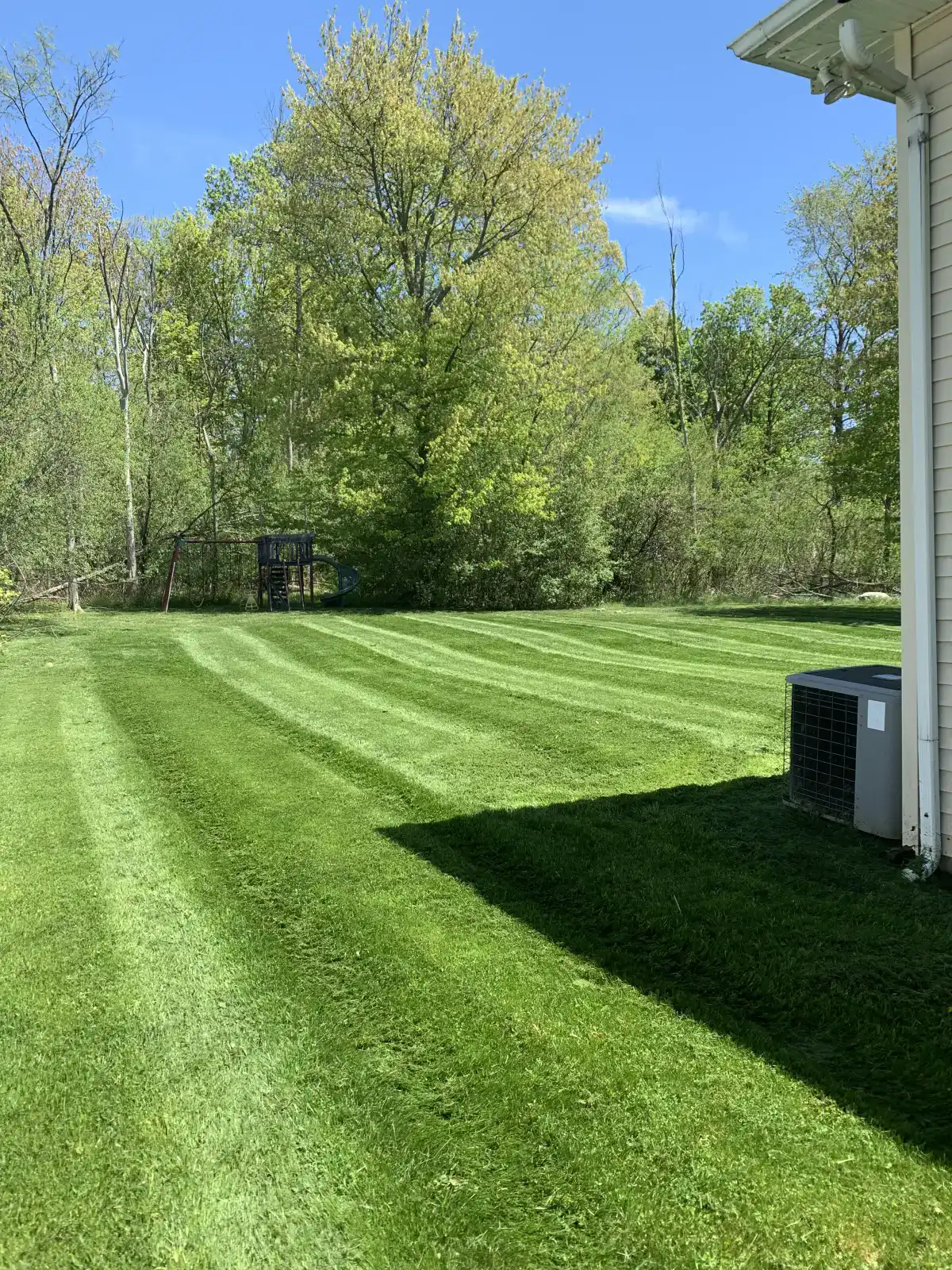
Weeks 8-12: Full coverage achieved. The lawn is thick enough to crowd out most weeds and is fully usable. Begin a regular fertilization program to maintain density and color.
Hudson Valley fall hydroseeding (late August through September) typically produces the fastest establishment because cool nights, warm soil, and reliable September rainfall create ideal conditions. Spring hydroseeding works well but takes slightly longer due to higher weed competition.
Hydroseeding Depends on Prep and Early Care
Successful hydroseeding starts before the seed mix is sprayed. We look at soil contact, slope, washout risk, sunlight, and watering access so the lawn has a realistic path to establish.
For some properties, grading, topsoil, drainage work, or sod may be a better fit. Bernicker & Son explains those tradeoffs during the estimate so the recommendation matches the yard instead of forcing one solution everywhere.
Hydroseeding FAQ
After the New Lawn
Seed Mix, Soil Prep, and Watering Expectations
Hydroseeding is a strong option for larger lawn areas, slopes, and new soil where seed establishment needs help. It still depends on preparation, soil contact, moisture, and protection from washout.
We review grade, runoff, sunlight, and access before recommending hydroseeding. In some areas, sod or additional drainage may be the better choice. The estimate explains the practical tradeoffs.
During a hydroseeding estimate, we tie the recommendation to soil condition, slope, sun exposure, erosion risk, and the customer's watering plan.
Seed, Mulch, Water, and Slope Protection
Hydroseeding works well for larger bare areas, repaired lawns, and newly graded sections where seed coverage needs to be even and efficient.
The mix must stay in contact with prepared soil long enough to germinate. On sloped Newburgh and Hudson Valley properties, that means paying close attention to runoff paths, topsoil depth, and how storms move across the yard.
Bernicker & Son reviews soil condition, shade, drainage, irrigation access, and traffic pressure before recommending hydroseeding over sod or traditional seed. When the timing is right, the result is a cost-effective new lawn with better coverage than hand seeding alone.
Early Watering and First Mowing
New hydroseed needs steady moisture, limited foot traffic, and careful first mowing. We explain the early care window before installation so homeowners know what the lawn needs during the first few weeks.
The proposal outlines prep work, seed blend, mulch application, starter guidance, and any drainage or grading corrections that should happen first. That keeps the new lawn from being asked to solve problems that belong below the surface.
For yards with washout risk, compacted soil, or poor topsoil, we may recommend preparation work before seeding day. Better prep gives the seed a stronger chance to root evenly.
Need a New Lawn on a Budget?
Get a free estimate for hydroseeding in Newburgh and the Hudson Valley. We handle grading, soil prep, and application.