
By Bernicker & Son Landscaping Team ·
For a practical starting point, weekly mowing for a typical residential property in Newburgh and Orange County generally ranges from $40 to $75 per visit. At four visits, that is about $160 to $300 for the month. Seasonal cleanups are broader jobs and generally range from $250 to $600 per visit.
These are planning ranges, not a quote. Lawn size, slopes, obstacles, access, grass height, cleanup volume, and the included work can move a property below or above them.
“Lawn care” can mean a quick mow to one person and full seasonal property maintenance to another. Before comparing prices, make sure every contractor is pricing the same result. A mowing visit, a spring cleanup, lawn repair, and ongoing bed care use different crews, equipment, materials, and amounts of time.
For homeowners in Newburgh and nearby Hudson Valley communities, the goal is not to find one universal average. It is to understand what drives the number for your yard and whether the proposed work matches what the lawn actually needs.
What does regular mowing cost?
The $40-to-$75 range is most useful for routine weekly mowing on a typical residential property. If your lawn receives four visits in a month, the simple planning math is $160 to $300. A five-visit month would be $200 to $375. The season total depends on the start and end dates, weather, grass growth, and any visits that are adjusted.
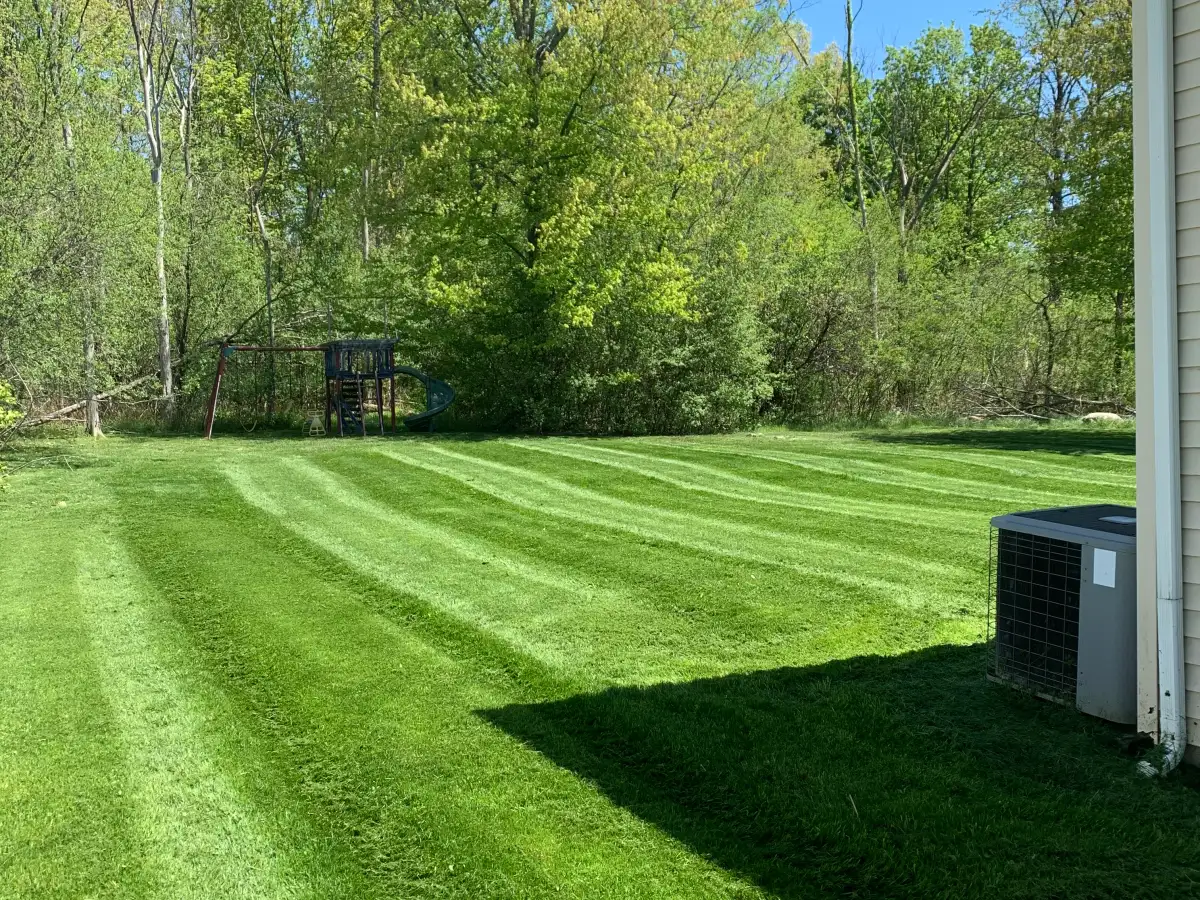
That range should not be applied automatically to every yard. Two lots with the same acreage can take very different amounts of time. One may have a flat, open lawn; the other may include a steep rear yard, narrow gates, play equipment, garden islands, long fence lines, or wet areas that limit mower access.
Ask whether a routine visit includes mowing, trimming around fixed features, edging along paved surfaces or beds, and clearing clippings from walks and the driveway. Bernicker & Son’s lawn mowing service page explains the routine visit in more detail.
Six details that change a lawn care estimate
1. Mowable area—not just lot size
A tax-record lot size includes the house, driveway, patios, wooded areas, and planting beds. The amount of turf the crew actually maintains is more useful. An estimate also considers whether that turf is divided into several small sections or forms one efficient, open area.
2. Slopes, gates, obstacles, and edges
Steep ground may require different equipment or more trimming. Narrow gates can prevent a larger mower from reaching the rear yard. Trees, fences, beds, playsets, stone borders, and drainage features add detail work. These conditions matter because they change how the crew moves through your yard.
3. Visit frequency and grass condition
Consistent mowing is different from restoring an overgrown lawn. Tall or wet grass may require slower cutting, multiple passes, or extra clipping management. During active spring growth, a predictable schedule also helps avoid removing too much of the blade at once.
4. What “lawn care” includes
Mowing is only one possible part of lawn care. Aeration, overseeding, lawn repair, seasonal cleanup, bed maintenance, shrub pruning, mulch, and leaf removal involve different scopes. Fertilizer, weed-control products, irrigation repairs, brush hauling, or disposal may also be separate on a contractor’s proposal. Do not assume they are included unless the estimate says so.
5. Cleanup and material disposal
A routine visit may leave fine clippings on the lawn while clearing hard surfaces. A spring or fall cleanup can involve matted leaves, sticks, bed debris, cutbacks, loading, hauling, and disposal. That is why seasonal cleanup pricing is not comparable to the price of one mowing visit.
6. Drainage, compaction, and thin turf
Repeated mowing cannot correct a lawn that stays wet, has severely compacted soil, or lacks enough light. Low areas and roof runoff can also affect equipment access and turf health. If the grass is thin or bare for an underlying reason, the more cost-effective plan may include drainage correction, soil preparation, sod, or seeding instead of simply increasing maintenance visits.
Mowing, maintenance, cleanup, or lawn repair?
Choose the service category by the problem you want solved:
- Routine mowing fits an established lawn that mainly needs consistent cutting, trimming, edging, and hard-surface cleanup.
- Ongoing lawn maintenance can combine mowing with scheduled seasonal and property-care tasks. Review the written inclusions, because packages differ.
- Spring or fall cleanup addresses accumulated leaves, sticks, beds, and seasonal debris. Volume and hauling are major price factors.
- Lawn repair is for thin, bare, damaged, or poorly draining areas. Soil, grade, shade, water, and the desired grow-in time help determine whether sod installation or hydroseeding is a better fit.
Bundling work is not automatically cheaper or better. It is useful when the combined plan matches what you need and the proposal still shows what will be completed. See the broader lawn maintenance options before requesting an estimate.
How to compare lawn care quotes fairly
Ask each company to identify the areas being serviced and write down the visit frequency, expected season, and included tasks. Then confirm how edging, trimming, clippings, leaves, storm debris, pet waste, locked gates, weather delays, and overgrown first visits are handled. If materials or disposal are part of the work, ask whether they are included in the price.
Be cautious with hourly comparisons. A rate does not tell you whether one person or a crew will arrive, which equipment is included, whether travel and disposal are built in, or how quickly the work will be completed. The better comparison is the total price for a clearly defined scope.
Before the estimate, unlock gates, identify delicate or hidden features, and note areas that stay wet or grow unevenly. If you are trying to solve thin turf rather than simply maintain it, say that at the start. A clear goal prevents a low mowing price from being mistaken for a complete lawn-improvement plan.
Frequently Asked Questions
What is the average price of lawn care in Newburgh, NY?
Bernicker & Son publishes a planning range of $40 to $75 per visit for weekly mowing on a typical residential property in Newburgh and Orange County. Four visits at that range would be about $160 to $300. Cleanup, bed care, shrub work, lawn repair, and other services have separate scopes, so the actual price depends on the property and what the estimate includes.
How much does two hours of yard work cost?
There is no dependable two-hour price without defining the task, crew size, equipment, disposal, and site access. Ask for a written scope and total price for the result instead of multiplying a labor rate that may not include equipment, travel, hauling, or materials.
Is $100 an hour too much for landscape work?
An hourly figure alone does not show whether the charge covers one worker or a crew, commercial equipment, hauling, disposal, insurance, and materials. Compare the complete scope and total price. A lower hourly rate can still produce a higher bill if the work takes longer or excludes necessary tasks.
What is the one-third rule for mowing a lawn?
The one-third rule means removing no more than about one-third of the grass blade height in a single mowing. If grass has grown too tall, bringing it down gradually can reduce stress and excessive clippings.
Is weekly lawn service worth the cost?
Weekly service can be worthwhile during active growth when you want a predictable mowing schedule and do not want to maintain equipment. The value depends on the included edging, trimming, hard-surface cleanup, weather policy, and whether the service addresses your actual lawn needs.